


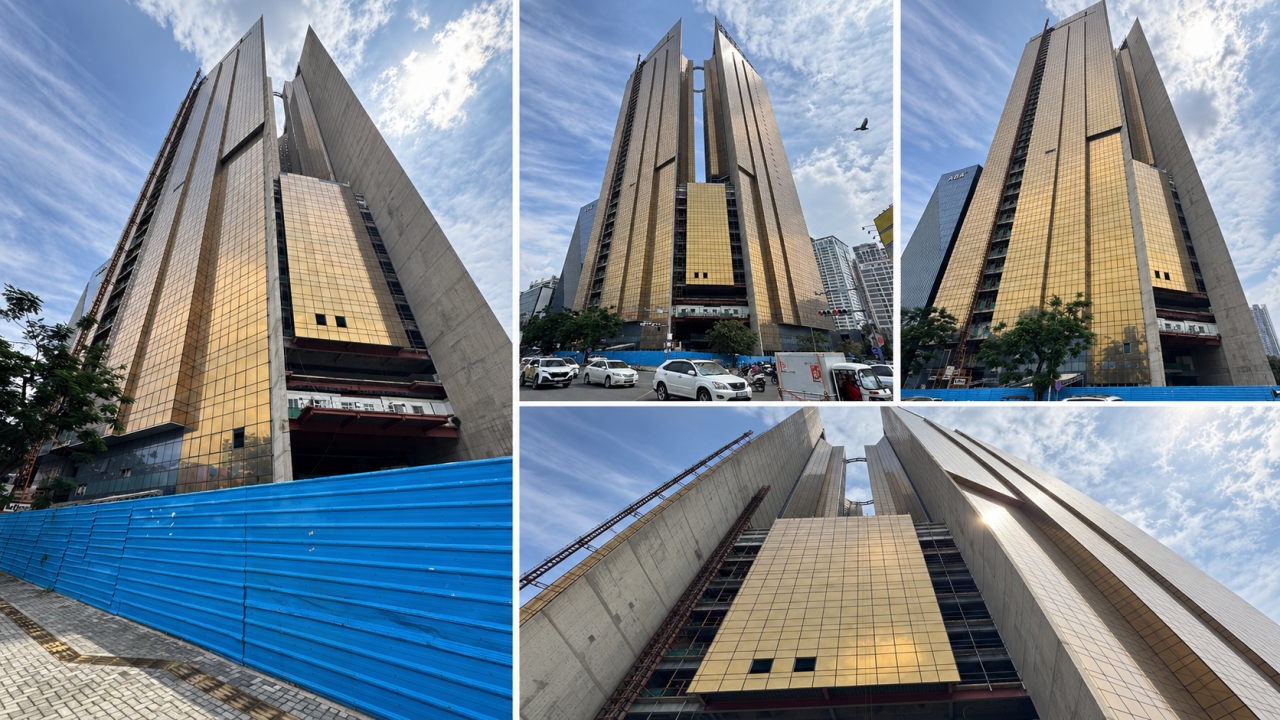
You've found an apartment in a new condominium development in Cambodia.
The renderings look spectacular: a rooftop pool, floor-to-ceiling windows, contemporary interiors. The developer says the building will be ready in two years and offers an attractive launch price with instalment payments.
You sign the contract, pay your deposit and start making scheduled payments.
For the first year, work seems to be progressing. Construction updates arrive regularly, complete with photographs from the site.
Then things slow down.
The updates become less frequent. Sales representatives give vague answers when you ask about the completion date.
Finally, the day you're supposed to receive the keys arrives.
But there is no finished apartment.
The building is still incomplete. Hardly anyone appears to be working on site. The developer promises to restart construction, asks you to be patient — and expects you to keep paying.
You've already transferred tens of thousands of dollars.
Can you get your money back? And what happens if the developer simply stops responding?
This is not a hypothetical concern in Cambodia.
The country's construction boom left behind unfinished high-rises, particularly in Sihanoukville. But the risks of buying off-plan are not confined to one city.
Projects stall for different reasons: funding gaps, disappointing sales, investors pulling out, operational problems or disputes between business partners.
Not every stalled project is a scam. But the consequences for buyers can still be devastating: money paid, no apartment delivered, and no reliable completion date.
And even when the contract provides remedies against the developer, recovering the money may be anything but straightforward.
This guide looks at why Cambodian developments run into trouble, what buyers can do when construction stops, where to seek assistance and how to investigate a developer before paying the first deposit.
We'll also examine documented disputes — and explain why a promise to finish a building is not the same as a credible, funded recovery plan.
Why Do Condominium Projects Stall in Cambodia?
You visit a construction site and see cranes, workers and several completed floors. It feels as though the hardest part is already over. But starting construction is not proof that the developer has enough money to finish it.
Some delays are temporary. Others expose serious financial problems that can leave buildings unfinished for years.
1. The Project Relies on Future Buyers' Payments
Some developments are funded not only with the developer's own capital, but also with instalments collected from people buying off-plan. When sales are strong, cash keeps flowing. When demand slows, paying contractors and purchasing materials can become difficult.
Without sufficient reserves or alternative financing, work may slow, completion dates may slip and construction can eventually stop altogether. The fact that buyers have paid does not, by itself, guarantee the project will be completed.
2. The Developer Overestimated Demand
Imagine a development with 300 apartments. Its business plan assumes that most will sell quickly. Then rival condominium projects launch, investors become more cautious and sales fall short of projections.
Even a well-located project can run into a funding shortfall. Poor sales are not evidence of fraud on their own, but they can increase the risk of delays.
3. Investors or Lenders Pull Out
Banks, investment partners and other lenders may all play a role in funding construction. If one withdraws support or demands repayment, the developer may need to look for another investor, sell the project or suspend work.
The crucial question: is there an identifiable source of funding and a realistic, verifiable plan to finish the building?
4. Contractor, Permit or Operational Problems
Disputes with contractors, material shortages, design changes or permitting issues can also hold up construction.
But an explanation is not a solution. “Work will resume soon” means little without a credible schedule, information about the contractor and evidence of financing.
A promise is not a completion plan.
5. The Market Changed, but the Business Plan Didn't
Sihanoukville is a particularly striking example. During the construction boom, developers rushed to build high-rises, hotels, commercial properties and condominiums. Changes affecting the gambling industry, falling investment and the COVID-19 pandemic subsequently left numerous projects on hold.
In January 2024, Cambodia's Minister of Economy and Finance reported 362 unfinished buildings in Sihanoukville and estimated that roughly $1.16 billion in additional funding would be required to complete them. Those figures covered different building types, not just condominiums.
The authorities later introduced measures to revive stalled developments, and work resumed on some sites. But workers returning to a building does not automatically resolve buyers' contracts, payments or ownership rights.
The Biggest Warning Sign: No Clear Answers
Several developments together should raise concerns:
- Little or no visible activity on site.
- Completion dates pushed back repeatedly without verifiable explanations.
- No credible construction or handover schedule supplied to buyers.
- The developer will not explain how the remaining work will be funded.
- Buyers are expected to keep paying despite little visible progress.
- Repeated promises to restart work, with no corresponding action.
You need to understand not only why work stopped, but whether there is a credible reason to believe it will ever be finished.
Real Cases in Cambodia: Buyers Pay, but Properties Aren't Delivered
Behind unfinished towers are real financial consequences. Some people spend years waiting for property, pursuing refunds or asking government agencies to intervene.
Sihanoukville: When the Building Boom Left Projects Unfinished
In August 2022, CamboJA News reported the case of a Sihanoukville landowner who leased land to a foreign investor for a proposed 14-storey condominium. The landowner had expected to receive $20,000 a month in rent. When construction stopped, the expected payments stopped too, while financial obligations remained.
This was a landowner's story, not the case of a condo buyer. It illustrates how one stalled project can leave several parties facing serious losses.
In its first-half 2025 market review, Knight Frank also highlighted stalled development in Sihanoukville, including hospitality and residential projects.
Leng Navatra Buyers: Years of Waiting and Loan Interest
Another documented dispute concerns developments linked to the Leng Navatra group. These were borey developments — communities of houses, not condominium towers. Their legal structure may differ, but they illustrate a similar risk: a developer failing to deliver property when promised.
On 15 January 2026, more than 100 buyers appealed to Cambodia's Ministry of Land Management, Urban Planning and Construction over long-running problems.
According to CamboJA News, one buyer had purchased a house for approximately $30,000 in 2021, expecting completion in about 18 months. Almost five years later, the house had not been handed over. The buyer said bank interest alone was costing around $300–$400 a month.
A signed contract and a record of payments do not necessarily protect a buyer from years of waiting.
Government Intervention: Progress, but Not a Solution for Everyone
In September 2026, Cambodianess reported official figures indicating that 598 houses had been completed and handed over with ministry involvement, and 5,970 ownership documents had been issued to customers who had fully paid for their properties.
But receiving an ownership document, receiving a completed home and receiving a refund are three different outcomes. Progress on some properties does not mean every buyer's dispute has been resolved. Reports also described proposals to sell certain land assets to finance further settlements.
What Does This Mean for Condo Buyers?
A condo and a borey house may involve different titles, contracts and rules. One case cannot predict the outcome of another. Yet both involve the same fundamental exposure: buyers pay now, while delivery depends on the developer meeting commitments later.
Before deciding what to do, establish:
- Which legal entity is responsible for completing the project or returning the money?
- What does the contract say about deadlines and delays?
- Does the developer have accessible assets or identifiable funding?
- Which dispute-resolution process applies to this particular agreement?
- How would any settlement or court judgment actually be enforced?
Having a valid claim for a refund does not mean the developer has the cash to pay it immediately.
Treat statements such as “a new investor is coming” or “construction will resume shortly” as claims that need evidence — not as solutions in themselves.
Construction Has Stopped. What Should a Buyer Do Now?
Suppose you agreed to buy an apartment for $100,000. Under the contract, handover was due in December 2025. That deadline has passed, work has nearly stopped and you've already paid $60,000.
The sales manager says new financing is coming. Should you keep paying, demand a refund or file a complaint?
Before withholding payments, cancelling the agreement or accepting revised terms, establish the facts and understand the consequences of each option.
Step 1. Gather Your Contract and Payment Records
Collect the sale and purchase agreement, amendments, floor plans, specifications, instalment schedule, bank transfers, receipts, reservation documents, promotional promises, delay notices and correspondence.
Check the separate dates for construction completion, unit handover and registration of ownership. They may differ. Your agreement may also allow a contractual grace period.
Not every missed deadline automatically entitles you to terminate immediately and receive a full refund.
Step 2. Establish What Is Actually Happening on Site
Don't rely solely on the sales team's videos. Find out whether work is continuing, which stages are complete, whether contractors are present, what has changed in recent months and what is known about the project's permits.
If you're overseas, arrange an independent visit and photographic record. An external inspection can confirm visible conditions only; qualified professionals must assess structural quality, technical completion and safety.
Step 3. Send a Formal Written Request to the Developer
Write to the legal entity named in your contract, not just the salesperson on WhatsApp. Request:
- An explanation of the delay and the project's actual stage of completion.
- A revised construction and handover timetable.
- Available evidence of funding for the remaining work.
- The company's written position on its contractual obligations and proposed remedies.
Set an appropriate response deadline with reference to your contract and legal advice. Keep evidence that the letter was sent or received. You need the company's formal position, not another verbal assurance.
Step 4. Don't Automatically Stop Making Payments
Imagine another $10,000 instalment is due, but little is happening on site. Refusing to pay may feel like the obvious response. Yet the contract may impose late-payment penalties, permit termination by the developer or allow some amounts to be retained.
Check whether the payment is triggered by a calendar date or a verified construction milestone, whether the contractual conditions have been met, whether there is a lawful basis to suspend payment and whether a written extension can be agreed.
Continuing to pay blindly is risky. So is withholding payment without reviewing your legal position.
Step 5. Consider Whether You Can Complain to the Regulator
Cambodia has a Real Estate Business and Pawnshop Regulator (RPR). The regulatory framework includes requirements for relevant development activities and mechanisms for handling certain disputes.
Prepare the buyer's and company's details, project location, agreement, payment evidence, chronology and written correspondence. A Cambodian lawyer should confirm whether the particular complaint procedure applies to your case.
Filing a complaint does not mean the government will automatically refund your money or finish the building.
Step 6. Compare the Options: Completion, Termination, Refund or Legal Action
If financing and a realistic completion schedule can be verified, continuing under revised terms may be worth considering. If prospects remain unclear, assess negotiated termination and repayment, contractual dispute-resolution procedures or court action.
Identify who owes the money, what assets may be available and whether a settlement or judgment could realistically be enforced.
Winning recognition of a legal claim and actually recovering the money are not the same thing.
Step 7. Read Any Replacement Agreement Carefully
The developer might ask for another two years, propose moving your payments to another unit, offer a substitute apartment or promise a discount in exchange for giving up earlier claims.
Before signing, establish which rights and protections you keep — and which you surrender. A fresh promise to complete the project is not the same as an enforceable, adequately secured obligation.
Step 8. Exchange Information with Other Buyers
When many buyers are affected, comparing correspondence, promised dates and developer statements may help clarify the extent of the problem. A coordinated approach can be useful, but each buyer's contractual position still needs individual review.
Never share other people's passports, contracts or banking details publicly without permission.
Keep Control of the Next Decision
After paying $60,000, a buyer may feel compelled to keep paying rather than risk losing what has already been invested. But each additional payment increases the amount exposed. On the other hand, rushing to terminate the contract may create further losses.
First establish the documents, actual project status, the developer's written position and the legal options. Then decide whether to wait, negotiate or take formal action.
How Qunera Services Helps You Check a Developer Before Buying
Buying off-plan — particularly at the excavation stage — can be tempting. Early prices may be lower, you can choose your floor and layout, and developers often offer instalment plans.
But you're paying today for a promise to build and deliver property in the future. The developer deserves at least as much scrutiny as the apartment itself.
Qunera Services helps buyers organise checks of publicly available and obtainable information about developers and off-plan projects before paying a deposit.
1. Check the Developer's Legal Identity
We help identify the full legal name of the company selling the unit, available company-registration details, its relationship to the project's brand and the development owner. Crucially, who receives your payments, and which legal entity actually owes you the contractual obligations?
2. Review Previous Projects
We examine available information about the developer's completed and unfinished projects, handovers, delays and complaints. Where feasible, we can arrange visits to buildings that are already occupied.
A completed, lived-in building can tell you more than an impressive rendering.
3. Review Land Rights and Permits
We can help request documents relating to the land, building permits and applicable real estate development authorisations. We coordinate review by an independent Cambodian lawyer, including title, encumbrances, restrictions and the proposed transaction structure.
Company registration, planning or construction permission, and authorisation to carry on development activities are separate matters.
4. Have the Contract Reviewed Before Signing
With a qualified lawyer, buyers can examine completion deadlines, handover dates, any grace period, consequences of delay, termination and refund provisions.
We also help compare the written contract with what the marketing materials promise: floor area, finishes, furniture, amenities and the process for obtaining ownership rights.
5. Understand the Payment Schedule and Safeguards
Are instalments linked to fixed dates or verified construction milestones? Which company receives the funds? What receipts are issued? Are there contractual safeguards for buyers' payments? What happens if either party is late?
These questions deserve answers before the first transfer.
6. Assess Available Evidence of Funding and Construction Progress
We can help gather accessible information about funding arrangements, contractors, construction schedules and activity on site, with specialist input where necessary.
An external review cannot always establish how much cash a developer actually holds or guarantee that a project will be completed.
Independent Site Visits
For buyers based overseas, Qunera Property Care can organise visits from publicly accessible or otherwise authorised locations, current photographs and video, a record of visible changes and a list of questions for the developer.
Structural integrity and construction quality require assessment by qualified professionals.
Construction Monitoring After Purchase
Buyers can arrange periodic progress checks, including before a major instalment. We can help compare visible progress against the schedule, compile reports, request written updates and coordinate independent verification of construction milestones when appropriate.
Already Paid, but Something Doesn't Add Up?
You don't need to wait until construction stops entirely. Repeated delays are reason enough to organise your agreement and payment records, investigate the site, submit written questions and prepare for a legal consultation.
Court representation, formal legal opinions and the drafting of legal claims remain the responsibility of authorised professionals.
Help at Handover
Once construction is finished, arranging an inspection before signing the handover documents can help identify issues with layout, finishes, doors, windows, plumbing, electricity, equipment or included furniture. Qunera can help record visible defects and coordinate a specialist technical inspection if needed.
Qunera Developer & Project Check — Interactive Checklist
Before paying a deposit, work through 31 checks across seven sections: developer identity, previous projects, land and permits, contract, payments, financing, and the final decision. Add your own notes under every item, produce a PDF report through your browser and, if needed, start a WhatsApp enquiry with Qunera Property Care.
Developer & Project Check
Due diligence checklist for buying an off-plan condominium in Cambodia. Tick only verified items and add documents, dates, names and your own notes.
Buying an Off-Plan Apartment in Cambodia?
Checking the developer before your first payment is far better than spending years trying to recover money from an unfinished project.
Qunera Property Care helps organise information, site checks and coordination with legal and technical specialists. We cannot guarantee construction completion, investment returns or refunds. Our role is to help you identify questions and risks before making a commitment.
Telegram — Qunera Property Care: https://t.me/QuneraPropertyCare
WhatsApp: https://wa.me/855767776732
Sources and Further Reading
- CamboJA News: Sihanoukville landowner's case, 31 August 2022 — https://cambojanews.com/sihanoukville-property-owners-in-limbo-as-unfinished-high-rises-litter-the-city/
- Knight Frank: Cambodia Real Estate Highlights, H1 2025 — https://content.knightfrank.com/research/893/documents/en/cambodia-real-estate-highlights-h1-2025-12366.pdf
- CamboJA News: borey buyers' complaints, 15 January 2026 — https://cambojanews.com/buyers-demand-action-on-boreys-left-incomplete-by-tycoon/
- Cambodianess: reported Leng Navatra settlement results, September 2026 — https://www.cambodianess.com/index.php/article/years-after-paying-leng-navatra-buyers-still-wait-for-homes-land-or-refunds
- Cambodianess: proposed asset sales, 25 September 2026 — https://www.cambodianess.com/index.php/article/plots-auctions-to-fund-stalled-leng-navatra-projects
This article is for general information and does not replace advice from a Cambodian lawyer reviewing your particular agreement. Hypothetical prices and payment amounts are illustrative and do not describe any specific project. Photographs of Gold Tower 42 illustrate its documented history of construction delays; they do not establish fraud or violations of individual buyers' rights in that development.