


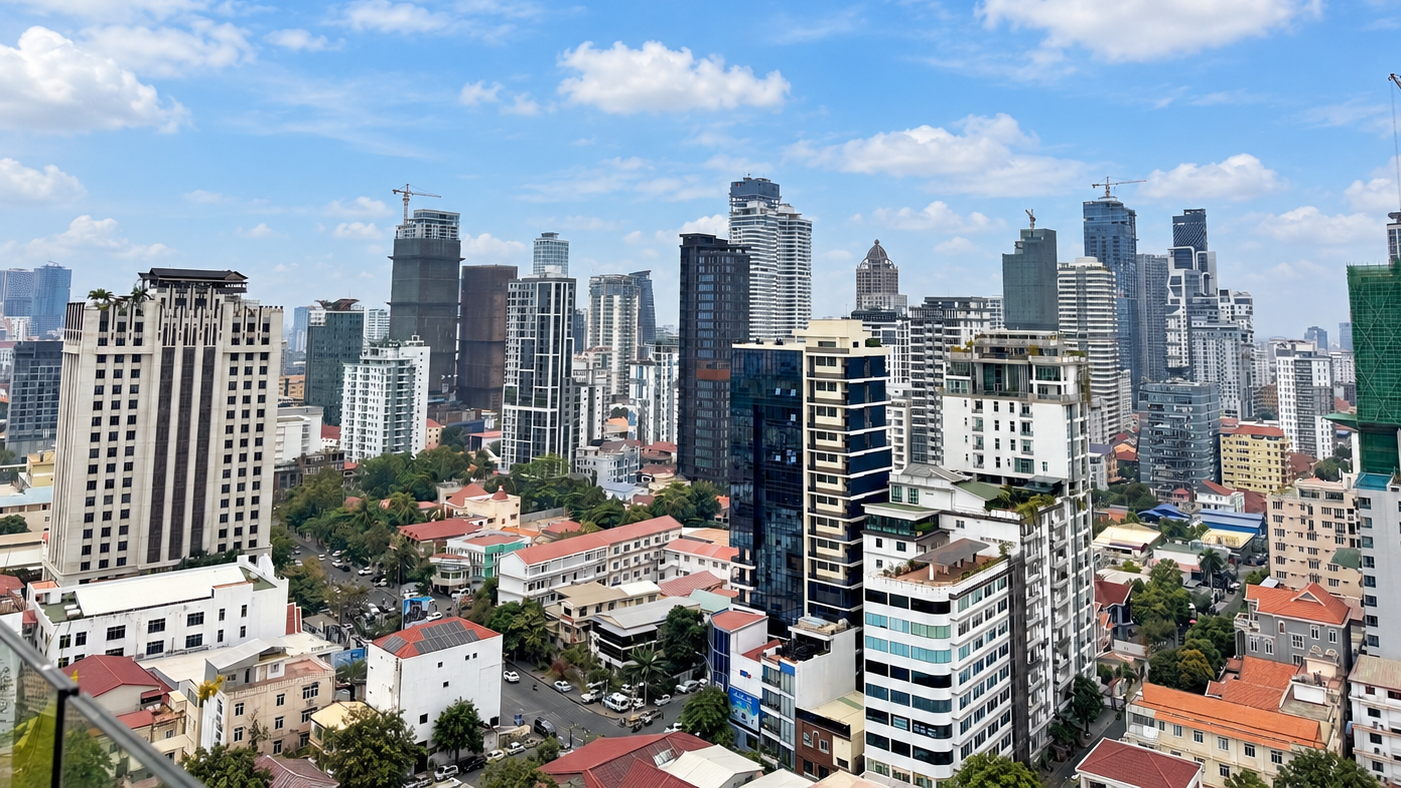
Yes, foreigners can legally buy and own certain condominium units in Cambodia. However, Cambodian property law imposes important restrictions on the location, floor level and ownership structure of eligible properties.
For international buyers considering a condominium in Phnom Penh, Siem Reap or other Cambodian cities, understanding these rules is essential before making a deposit or signing a purchase agreement.
This guide explains how foreign condominium ownership works, what a strata title means, which restrictions apply and what buyers should check before purchasing.
1. Can Foreigners Legally Own Property in Cambodia?
Under Cambodia's 2010 Law on Providing Foreigners with Ownership Rights in Private Units of Co-Owned Buildings, legally qualified foreign nationals can own certain private units in registered co-owned buildings.
This means that a foreign buyer may be able to purchase a condominium unit in their own name, without requiring a Cambodian nominee to hold the title.
However, this ownership right applies to qualifying individual units, not to the underlying land.
Foreign nationals generally cannot directly own land in Cambodia under the country's constitutional and land ownership framework.
The key distinction is between owning a condominium unit and owning land.
2. Which Condominiums Can Foreigners Buy?
Not every apartment marketed as a condominium qualifies for foreign ownership.
The main legal restrictions include:
-
Floor restrictions: Foreigners cannot own ground-floor or underground units under the foreign condominium ownership framework. Eligible units must be above the ground floor.
-
Foreign ownership limit: Foreign ownership is generally limited to 70% of the total private-unit floor area in a qualifying co-owned building, subject to the applicable regulations.
-
Registered ownership: The building and individual unit must have an appropriate legal title and registration structure.
-
Geographical restrictions: Special restrictions apply to co-owned buildings located within 30 kilometres of Cambodia's land borders, subject to applicable exceptions.
Before purchasing, buyers should obtain independent confirmation that the particular unit can legally be registered in their name.
These requirements apply regardless of what an estate agent or developer may say in an advertisement.
3. What Is a Strata Title in Cambodia?
A strata title is a registered form of individual ownership relating to a private unit within a co-owned building.
It distinguishes the buyer's private unit from common areas used by multiple owners.
Depending on the building, common areas may include:
-
Corridors and entrances
-
Elevators and staircases
-
Shared facilities
-
Common building infrastructure
-
Other jointly managed spaces
Foreign owners may hold rights in their individual units and rights to use common areas in accordance with applicable law and building regulations.
However, these rights do not mean that the foreign owner personally acquires freehold ownership of the land beneath the building.
Strata Title vs. Other Property Documents
A purchase contract, developer reservation agreement or internal ownership certificate is not automatically equivalent to a government-registered strata title.
Likewise, an apartment being advertised as a “condo” does not necessarily establish that it is legally available for foreign freehold ownership.
Always verify the title status independently before paying a substantial deposit.
4. Can Foreigners Buy Apartments on the Ground Floor?
Generally, no.
Cambodia's foreign condominium ownership legislation excludes ground-floor and underground units from direct foreign ownership under this framework.
Units located above the ground floor may qualify, provided the other legal requirements are satisfied.
Floor numbering can differ between countries and buildings. Therefore, buyers should verify the legally recognised floor designation rather than relying only on a marketing brochure.
5. Can Foreigners Buy Houses or Land?
Direct ownership of land by foreigners is generally restricted in Cambodia.
This distinction is particularly important when comparing condominium developments with villas, detached houses and properties in gated residential communities known as boreys.
A foreign buyer should not assume that purchasing a villa follows the same ownership rules as purchasing a strata-title condominium.
Other arrangements, such as certain long-term leases, may be available in appropriate circumstances. However, these arrangements provide different legal rights and require specialist advice.
Buyers should be particularly cautious about proposals involving nominee arrangements or informal ownership agreements.
6. What Taxes and Fees Apply When Buying a Condo?
The purchase price is not necessarily the total acquisition cost.
Depending on the transaction, additional expenses may include:
Property transfer tax (stamp duty)
Cambodia generally applies a 4% transfer tax to relevant property transfers, subject to applicable tax rules, valuation methods and exemptions.
For 2026, Cambodia has extended certain stamp duty incentives for qualifying residential transactions, including specified first-time purchases.
Eligibility depends on several factors, including the property, purchase arrangement and applicable government conditions. Buyers should not assume that every condominium purchase qualifies.
Legal and registration expenses
Professional legal advice, document checks and ownership registration procedures may involve additional charges.
Developer and contractual charges
For newly built properties, confirm whether quoted prices include all applicable taxes, handover charges, utility connections and other developer fees.
Ongoing ownership costs
Condominium owners may also face monthly management fees, maintenance charges, utilities, insurance and applicable property or rental-related taxes.
Before buying, request an itemised breakdown of the total cost of ownership.
7. What Should You Check Before Buying?
Independent due diligence is one of the most important steps in a property purchase.
We recommend that buyers arrange checks covering the following areas:
1. Ownership and title
Verify the registered owner, relevant land and unit records, title status and whether the property can legally be transferred to a foreign purchaser.
2. Foreign ownership quota
Confirm that registering the unit to a foreign buyer would comply with the applicable foreign ownership percentage.
3. Developer and building documentation
Review relevant approvals, construction status, completion documentation and legal arrangements for the development.
4. Existing financial obligations
Check whether there are mortgages, liens, unpaid fees, disputes or other restrictions affecting the property.
5. Purchase agreement
Have an independent Cambodian property lawyer review payment conditions, transfer procedures, completion dates, refund provisions and remedies if the seller fails to perform.
6. Building management
Understand service charges, maintenance arrangements, management rules, sinking funds and the condition of shared facilities.
7. Practical property condition
Check for water leakage, air-conditioning problems, plumbing defects, electrical issues and incomplete construction work.
Do not rely solely on verbal assurances or promotional materials.
8. Is Buying a Condo in Phnom Penh a Good Investment?
Phnom Penh offers different types of condominium developments, including properties intended for owner-occupiers, long-term tenants and international buyers.
However, investment performance varies substantially between buildings and locations.
Buyers should consider:
-
Actual rental demand rather than advertised rental yields
-
Vacancy periods and tenant turnover
-
Building management quality
-
Ongoing maintenance expenses
-
Competing condominium developments
-
Liquidity and resale prospects
-
Legal and tax obligations
A condominium with attractive marketing materials is not automatically a profitable investment.
Before purchasing a unit for rental income, prepare a realistic cash-flow calculation that accounts for vacancies, management charges, repairs and taxes.
9. What Happens If You Live Outside Cambodia?
For overseas owners, managing a condominium from another country can be challenging.
Even an unoccupied apartment requires occasional attention.
Potential issues include:
-
Water leaks or plumbing failures
-
Air-conditioning maintenance
-
Electricity and utility payments
-
Cleaning and ventilation
-
Tenant coordination
-
Contractor access
-
Property inspections before the owner's arrival
Regular property inspections and clear reporting can help owners identify maintenance problems before they become expensive.
10. How Qunera Services Can Help
Qunera Services is based in Phnom Penh, Cambodia, providing local assistance for international clients, expatriates and property owners.
Our services include:
-
Property search and local coordination
-
Arranging introductions to independent legal and other professional specialists
-
Coordination of property inspections
-
Cleaning and maintenance arrangements
-
Key holding and contractor coordination
-
Photo and video property reports
-
Preparation of properties before owner arrival
-
Ongoing Property Care services
Legal title verification and formal legal advice should be carried out by appropriately qualified independent Cambodian professionals.
Whether you already own a condominium in Phnom Penh or are exploring a potential purchase, Qunera can help you organise practical assistance on the ground.
Need local support in Cambodia?
Property Care: https://qunera.online/en/property-care
Telegram: https://t.me/qunerapropertycare
WhatsApp: https://wa.me/855767776732
Frequently Asked Questions
Can a foreigner own a condo in Cambodia in their own name?
Yes. Qualifying condominium units can be registered in a foreign national's name under Cambodian law, subject to the applicable ownership restrictions.
Can foreigners buy any apartment in Cambodia?
No. The property must satisfy the relevant legal requirements. An apartment marketed as a condominium does not automatically qualify.
Can foreigners own ground-floor condominium units?
Generally not under the 2010 foreign condominium ownership framework. Restrictions also apply to underground units.
Can foreigners own 100% of an eligible condo unit?
Yes, a qualifying private unit may be wholly owned by a foreign buyer, while the building remains subject to its overall foreign ownership limit and other legal requirements.
Do I need to live in Cambodia to own a condo?
The framework allows eligible foreign ownership, but individual eligibility, documentation and transaction requirements must be checked. A buyer should obtain current advice regarding any applicable entry, identification and registration requirements.
Sources and Legal References
-
Council for the Development of Cambodia — Laws and Regulations
-
Cambodia's Access to Land and Real Estate Development — Government Guide
Last reviewed: October 2026.
Disclaimer: This article provides general information and does not constitute legal, tax or investment advice. Property laws, administrative procedures and tax incentives may change. Always obtain advice from qualified Cambodian professionals before making a purchase.